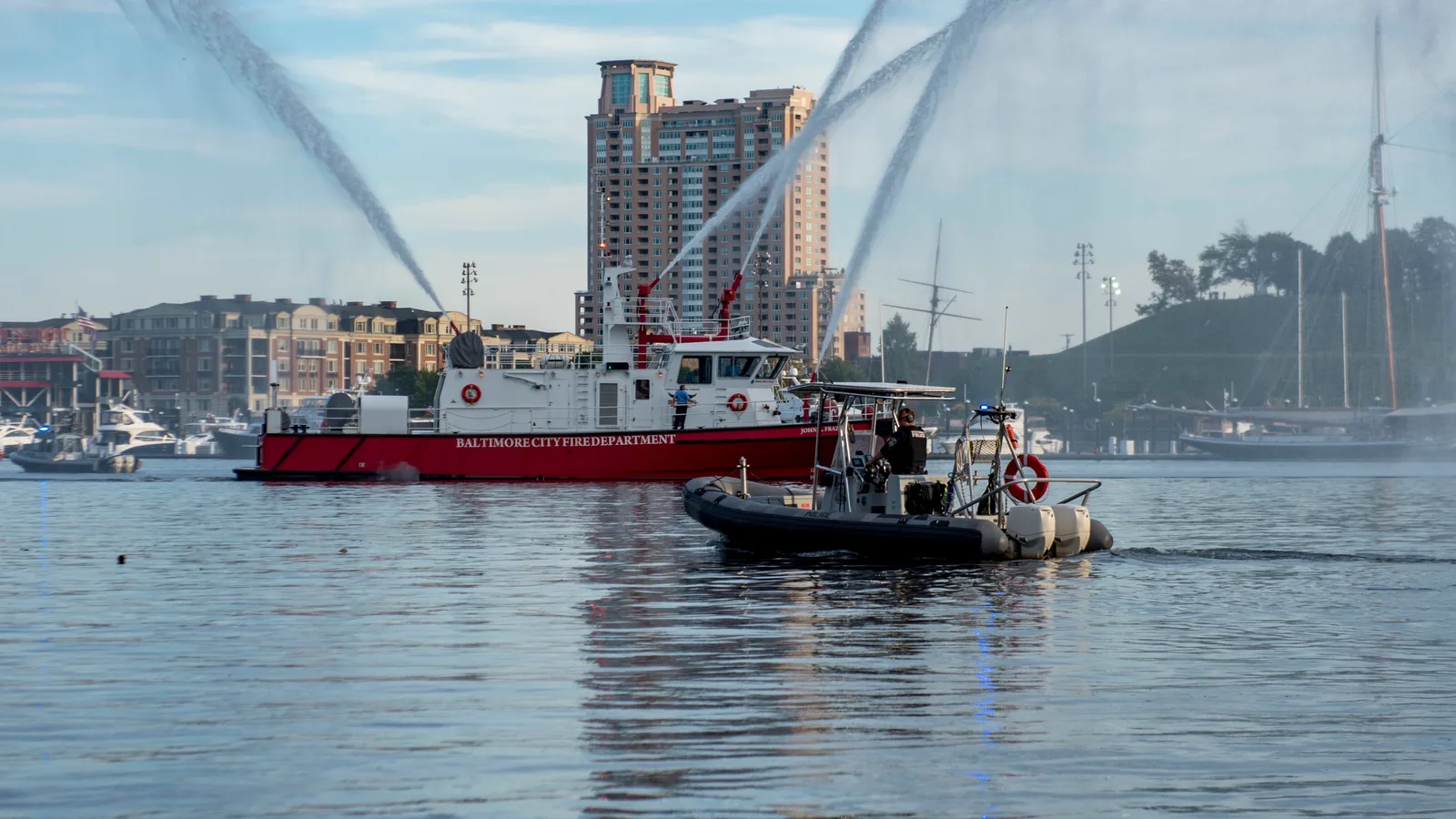
Coast Guard and Ohio DNR Urge Cold-Water Care on Lake Erie
The Coast Guard's Great Lakes District is readying ice-rescue gear and asking boaters and anglers to file a float plan and dress for the water.
The Coast Guard and the Ohio Department of Natural Resources are asking Great Lakes boaters and anglers to prepare for cold water before winter. Great Lakes District units are readying cold-weather gear and running ice-rescue drills, and officials say the water off Cleveland is currently 54 degrees, with three fishing tournaments running on Lake Erie until 29 November.
The release, as issued by the U.S. Coast Guard
CLEVELAND – Coast Guard and the Ohio Department of Natural Resources (ODNR) personnel are reminding Great Lakes communities to prioritize cold water and ice safety ahead of the upcoming winter season.
Coast Guard Great Lakes District units are increasing ice-rescue preparations by readying specialized cold-weather gear and conducting training exercises before waterways begin to freeze.
“Every minute counts,” said Petty Officer 2nd Class Sierra Ortiz, a boatswain’s mate at Coast Guard Station Cleveland Harbor. “Cold water lowers body heat about 25 times faster than cold air. Always prepare for the unexpected even if you do not plan to enter the water.”
The precaution comes as late-season sportsmen gather on Lake Erie.
“If you are participating in one of the three fishing tournaments actively taking place on Lake Erie until Nov. 29 or if you plan to hunt waterfowl into the winter, it is important to prepare yourself for the challenging conditions,” said Lt. Chad Kozan of ODNR. “The water temperature off Cleveland is currently 54 degrees. This means that you have a greater risk of hypothermia and injury if you end up in the water.”
Coast Guard safety recommendations
Focus on breath control in cold water, try to keep your head above the water and assume the Heat Escape Lessening Position (H.E.L.P.) by bringing the knees close to the chest and holding them in place by wrapping the arms around the shin portions of the legs.
Wear a Coast Guard-approved personal flotation device. A life jacket or PFD allows a person to float and conserve energy and body heat.
Complete a float plan. Boaters should always inform family and friends where they are going and when they expect to be back. If plans unexpectedly change, they should immediately pass this information to those with the float plan.
Dress for the water temperature, not the air temperature. Cold water lowers body heat much faster than cold air.
Carry a registered personal locator beacon, or PLB, in addition to a VHF-FM marine radio, to alert the Coast Guard and partner agencies that you need help.
Do not consume alcohol while recreating in cold-water environments. It impairs judgment and reduces the body’s ability to fend off the cold.
Remember the acronym I.C.E.: Information, Clothing, and Equipment. Get the right information on weather and ice conditions before going out, ensure you wear the appropriate clothing to prevent hypothermia and always bring the proper safety equipment.
Never assume ice is safe based on appearance, location or another person’s recent experience. Ice that appears solid from shore may be dangerously thin or unstable just a short distance away.
Avoid cracks, seams, pressure ridges, slushy areas and dark patches, which may indicate weakened or thinner ice. Areas with moving water, including narrow channels, bridges, docks, inlets and outlets, are particularly susceptible to thin or unstable ice.
The Great Lakes District oversees Coast Guard operations across the five Great Lakes, the Saint Lawrence Seaway and surrounding waterways, encompassing approximately 6,700 miles of shoreline and 1,500 miles of the international border with Canada.
Hullside reports under its editorial standards. See a mistake? Corrections.