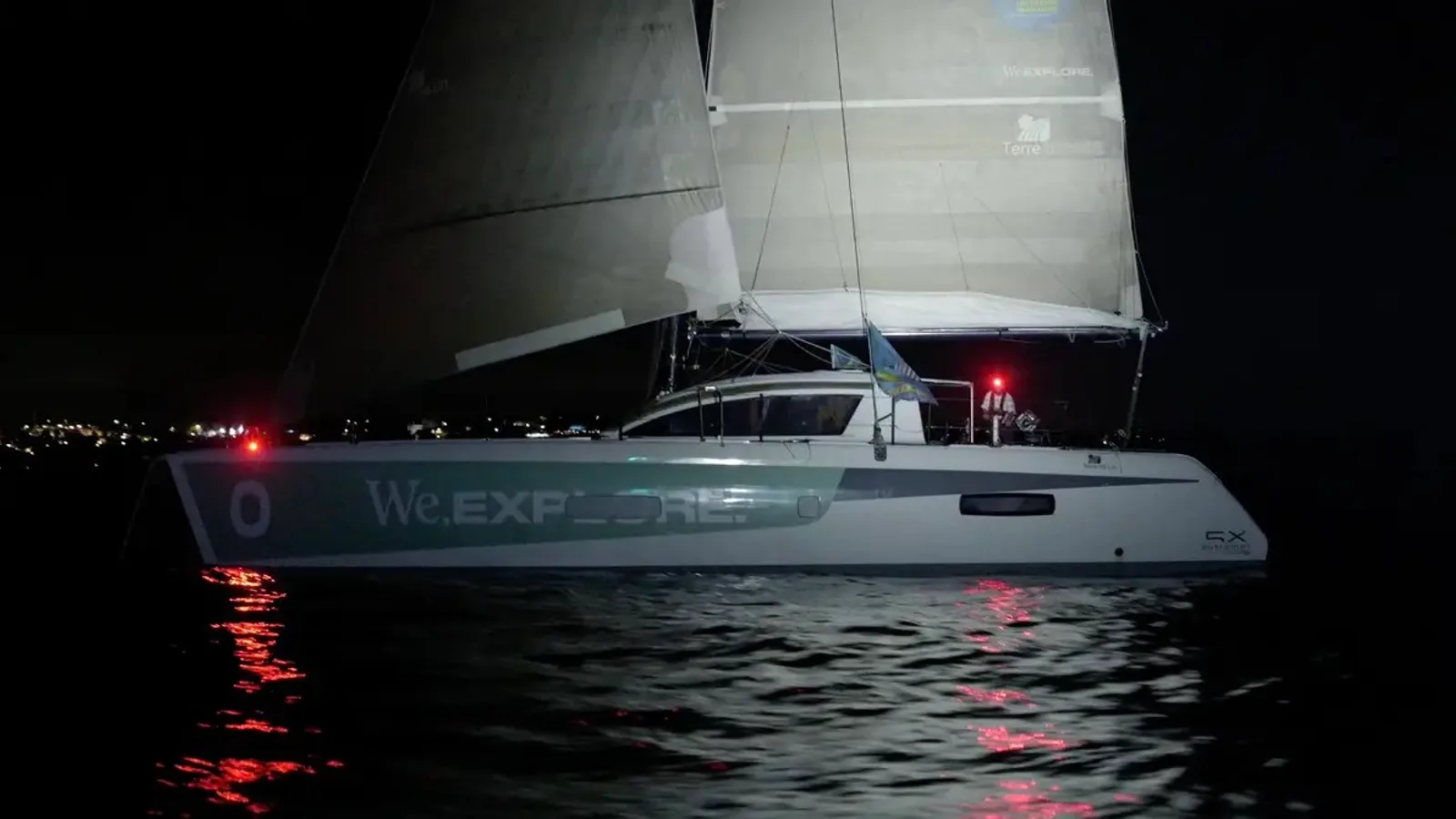
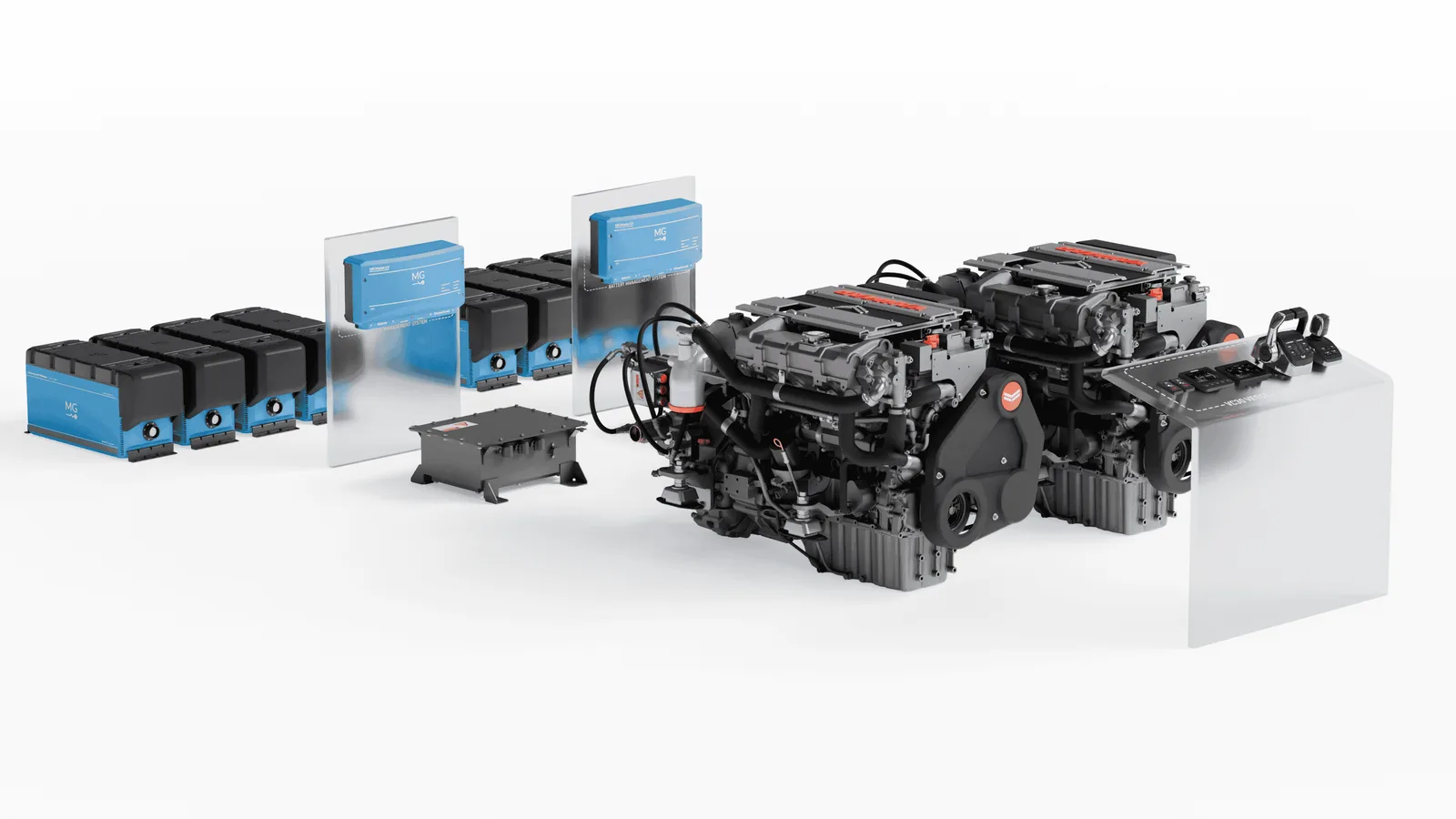
Beneteau CEO Wants Electric Drive to Add 1 to 3% to a Boat's Price
Bruno Thivoyon puts today's premium at 50 to 70% of the propulsion system's cost, and he gave no date for closing the gap.
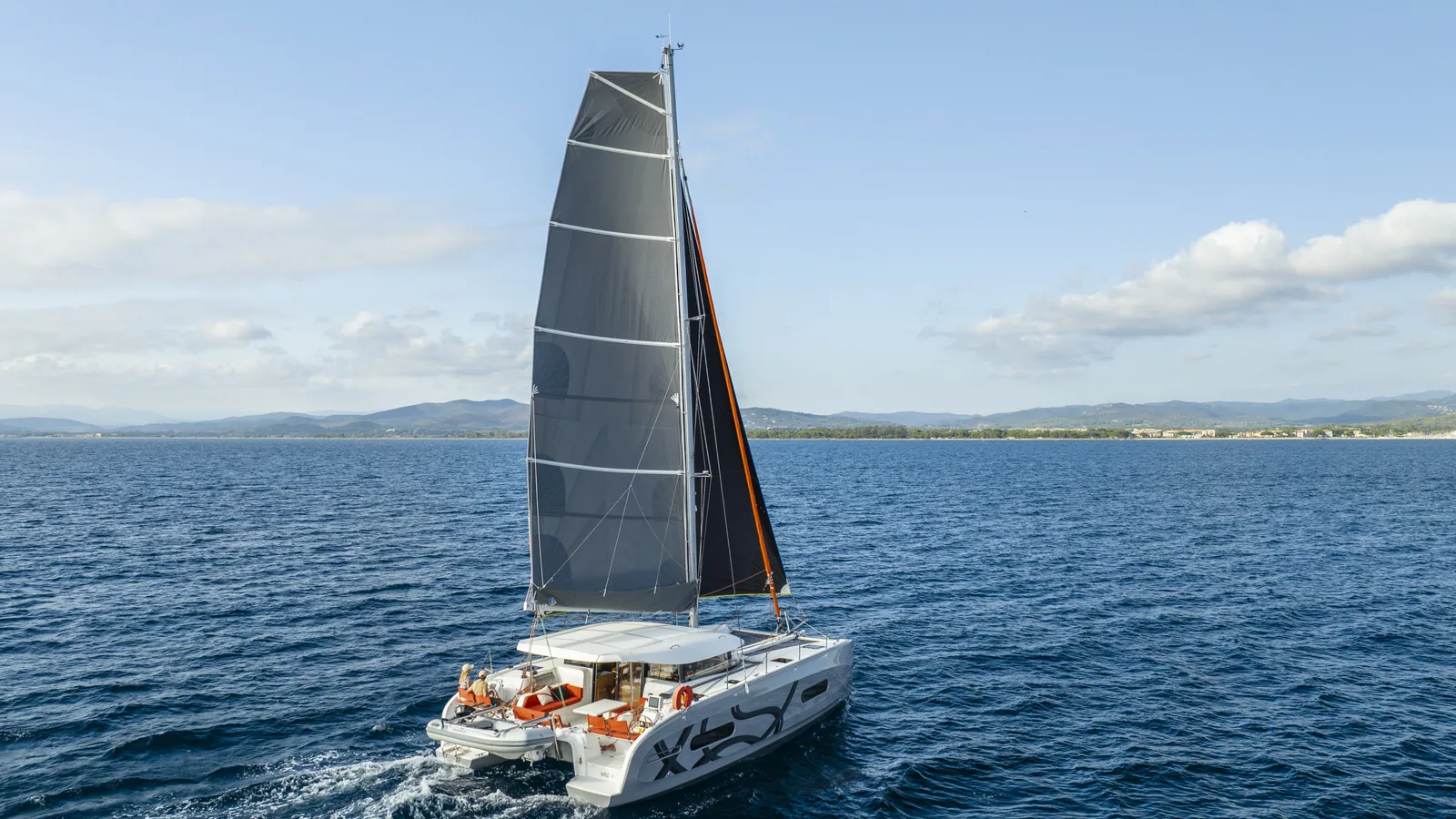
Groupe Beneteau chief executive Bruno Thivoyon says an electric propulsion system costs 50 to 70% more than a conventional one today, counting the propulsion system alone. The group aims to cut that difference below 10%, battery included, which he said would add about 1 to 3% to a boat’s overall price.
He gave the figures in an interview with the Italian trade site SuperYacht24, published on November 25. The interview opens on the Cannes show in September and does not say when it was recorded. The cost goal sits beside a separate target: electric solutions on 10 to 15% of the global sailing market by 2030, set by the joint venture Beneteau formed with Fountaine Pajot in April.
Thivoyon Says the 1 to 3% Figure Depends on a Smaller System Premium
Thivoyon told SuperYacht24 that the 50 to 70% gap applies to the propulsion system alone and not to the entire boat. Getting the system premium under 10% is the goal, he said, even allowing for the larger battery pack electric drive needs.
The two percentages measure different things. The first is a share of the propulsion system’s cost; the second is a share of the boat’s price. Thivoyon did not say what today’s 50 to 70% premium adds to the price of a whole boat, and his answer names no model, no euro or dollar figure and no year for the reduction. The 2030 date belongs to the market-share goal; SuperYacht24’s question spoke only of the next few years.
At 1 to 3%, he said, “choosing electric propulsion would no longer be such a difficult decision.”
Beneteau and Fountaine Pajot Are Building One Electric Standard for Seven Brands
E-Lektra Marine is a 50/50 joint venture between Groupe Beneteau and Fountaine Pajot, announced on April 22. It covers seven sailing brands, Beneteau, Jeanneau, Lagoon, Excess, Fountaine Pajot Sailing Catamarans, Fountaine Pajot Yachts and Dufour, which together hold a 60% market share, the launch release says.
The release says more than 99% of sailboats carry an internal combustion engine and puts the 2030 goal at “several hundred boats per year.” It promises systems for sailboats from 9 to 24 meters (about 30 to 79 feet), full electric and low- and high-voltage hybrid, plus a refit option for current owners.
Thivoyon told SuperYacht24 the main obstacle is trust, and that one system per builder would complicate maintenance for owners and charter operators. He put the two groups’ combined share at 50 to 60%.
The venture added governance and a brand name at the Cannes Yachting Festival. A September 10 release named Philippe Hamon its chairman and confirmed JOOOL as the brand for its systems. Hamon spent nearly 30 years in the auto industry, much of it at Valeo, the release says. It listed eight brands, adding Lagoon Signature to the April seven, plus four Groupe Beneteau models and ten Fountaine Pajot models, and three outside yards working with JOOOL: Leopard Catamaran, RM Yachts and Chantier de l’Arsenal.
Hullside’s Take
The 1 to 3% number will travel, and it shouldn’t travel alone. It is a cost target with no year on it, and no buyer can order a boat at that premium yet. For now, 50 to 70% is the only premium Thivoyon has put on the record.
I take the shared standard more seriously than the price target. Thivoyon is right that trust decides electric sailing, and for an owner trust mostly means a yard in the next harbor that knows the system. Eight brands and three outside builders on one platform could produce that. Watch for the first price list, in euros or dollars, that puts a JOOOL-equipped boat next to the same hull with a diesel.
Sources: SuperYacht24, Groupe Beneteau and Fountaine Pajot Group, April 22, 2026, Groupe Beneteau and Fountaine Pajot Group, September 10, 2026
Hullside uses automated tools to support research and source retrieval. All reporting and editorial perspectives are by Haye Kesteloo. Read our editorial standards or report a correction.
Hullside reports under its editorial standards. See a mistake? Corrections.