Seldén Built a 110-Foot Mast in a 100-Foot-Wide South Carolina Plant
The Swedish mast maker has supplied the Americas from North Charleston since 1998, and its manager there now helps a nonprofit scrap abandoned boats.
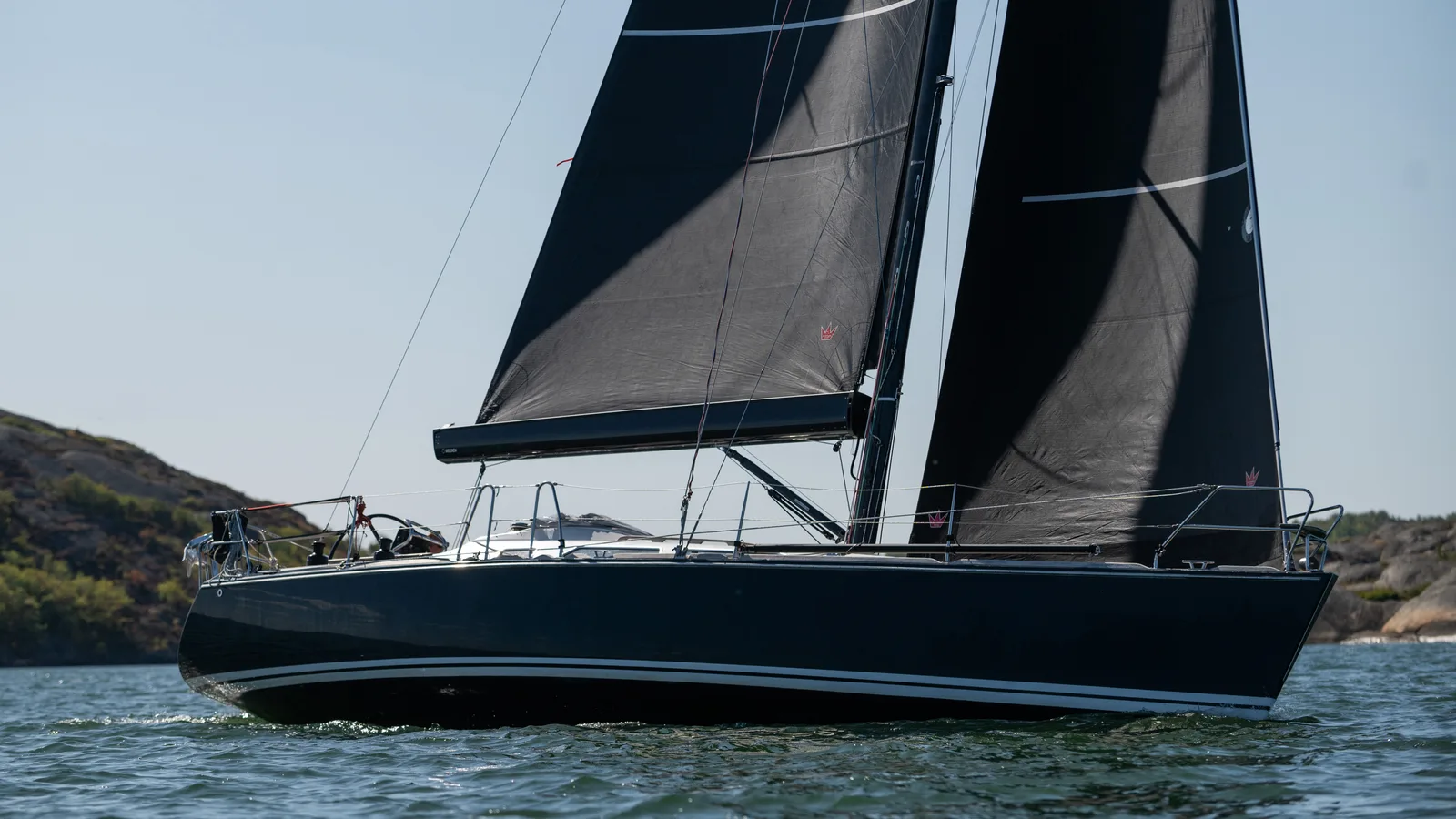
Seldén Mast’s American plant in North Charleston, South Carolina, once built a mast 110 feet (33.5 meters) long inside a building 100 feet (30.5 meters) wide. General manager Jonas Berg described the job in a profile of the plant that The Post and Courier published on November 19.
The Swedish company calls itself the world’s largest mast manufacturer and has supplied sailboat rigs to North and South America from South Carolina since 1998.
Berg told the newspaper the 110-foot mast is the longest he has helped build. In October 2020 Seldén announced a mast of 33 meters (108 feet), finished in the UK, as the tallest it had ever made.
The 110-Foot Mast Stuck Out of the Building Where It Was Made
Seldén’s crew cleared every workstation in the North Charleston plant to fit the 110-foot mast, general manager Jonas Berg told The Post and Courier. The connected mast stuck out of the building, and Berg said that without the cleared floor he could not have set the alarm at night.
The shortest masts Seldén makes are seven feet (2.1 meters) long, the newspaper reported.
The profile does not say when the 110-foot mast was built or which boat carries it. So the profile does not settle which mast holds the company’s record. The mast in Seldén’s October 2020 release was an aluminum furling mast for an Oyster 745. It was made from three pieces of extruded aluminum and painted in the company’s 41-meter (135-foot) paint booth in the UK.
A Closed Navy Base Gave Seldén Its Space and Its Machinists
Seldén opened its American subsidiary in North Charleston in 1998, two years after the Charleston Naval Base closed. Berg told the paper the closure left manufacturing space open and machinists out of work, and few other industries were competing to hire them.
The company also looked at Wilmington, North Carolina, Jacksonville, Florida, and Savannah, Georgia, before it chose Charleston, Berg said.
Seldén’s contact page lists Seldén Mast Inc. in North Charleston beside the parent company in Sweden and units in the UK, the Netherlands, France and Denmark. On its About page the group describes itself as the world’s leading manufacturer of mast and rigging systems in carbon and aluminum for dinghies, keelboats and yachts. “Largest” and “leading” are both Seldén’s words about itself.
Not every Seldén product comes out of every plant. A February 2025 release said all of the group’s carbon fiber masts had been made in the UK since 2002, and that a second carbon hall was starting up in France. Two months later Seldén opened a U.S. online store for spare parts, which sells only to buyers in the contiguous United States.
Seldén Has Twice Helped a Veterans’ Nonprofit Scrap Abandoned Boats
Seldén has twice helped the Charleston nonprofit Wounded Nature destroy abandoned boats, most recently on November 6, founder Rudy Socha told The Post and Courier. Berg taught the group’s volunteers how to lower a sailboat’s mast safely, Socha said, and has backed the group since its first removal.
Wounded Nature was founded by veterans in Charleston in 2010. It says on its site that it has removed more than 300 derelict vessels from coastal waters since then.
Berg gave the paper a commercial reason for helping. He said his industry sells what people want and not what they need, and that if the waterways are “all dirty and clogged, no one wants to buy a boat.”
Hullside’s Take
Berg is right about abandoned boats, and I’d like more of the boat business to say it the way he did. Nobody expects a mast maker to deal with a hull that its last owner walked away from. He helps anyway, and his reason is about sales: a harbor full of wrecks is bad advertising for sailing. Seldén’s part is small. It has helped with two boats and taught volunteers how to drop a mast. One nonprofit counts more than 300 derelict boats removed, and that work runs on donations, grants and volunteers. Builders and suppliers know better than anyone how to take a boat apart, and I think more of them should be on those docks.
Sources: The Post and Courier, Seldén Mast, Wounded Nature
Hullside uses automated tools to support research and source retrieval. All reporting and editorial perspectives are by Haye Kesteloo. Read our editorial standards or report a correction.
Hullside reports under its editorial standards. See a mistake? Corrections.