Grady-White Owner Turned Down $400 Million to Make It Unsellable
Eddie Smith gave the Greenville builder to a trust run by three people, and most of its profits are pledged to a nonprofit the company has not yet named.
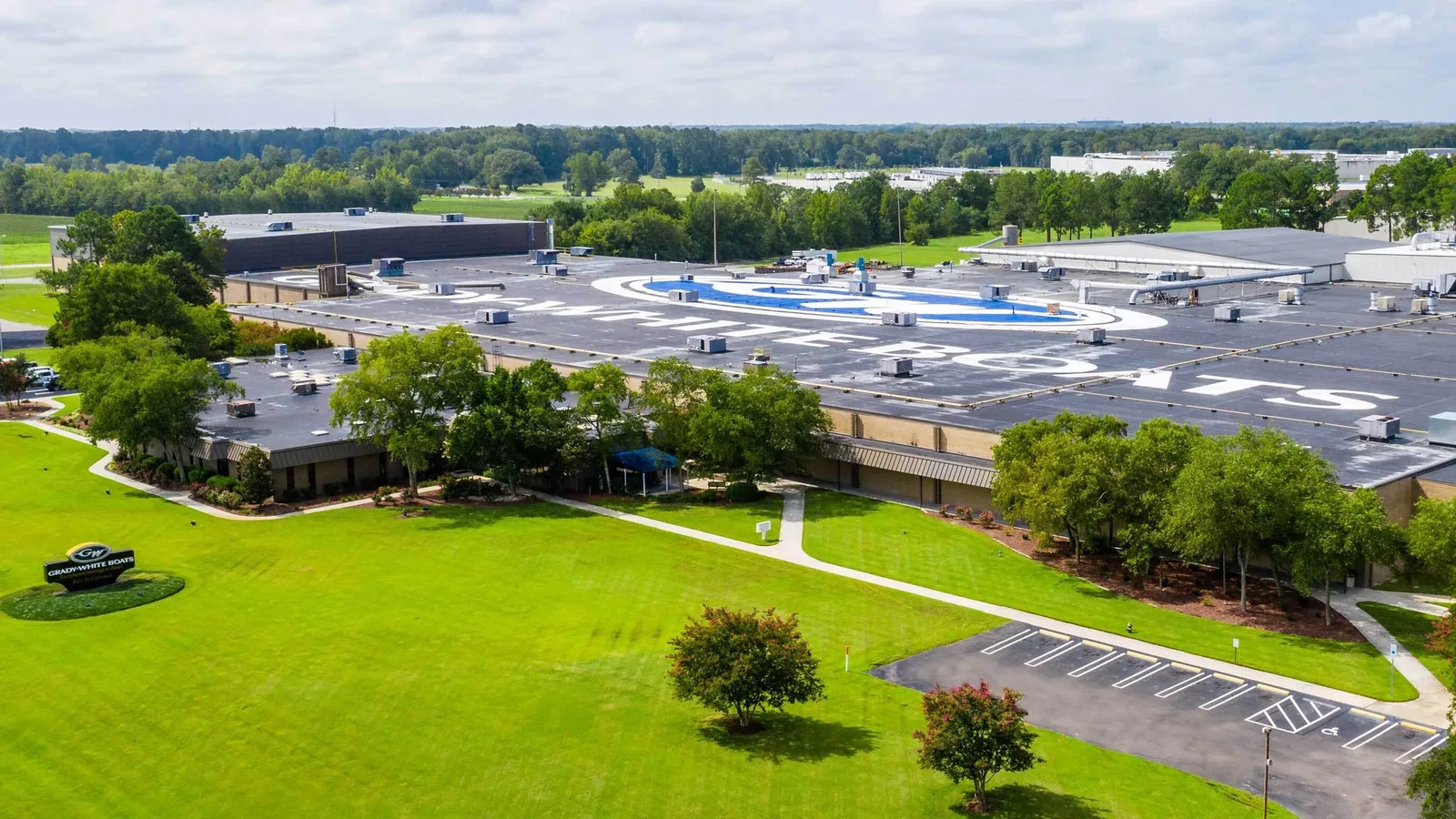
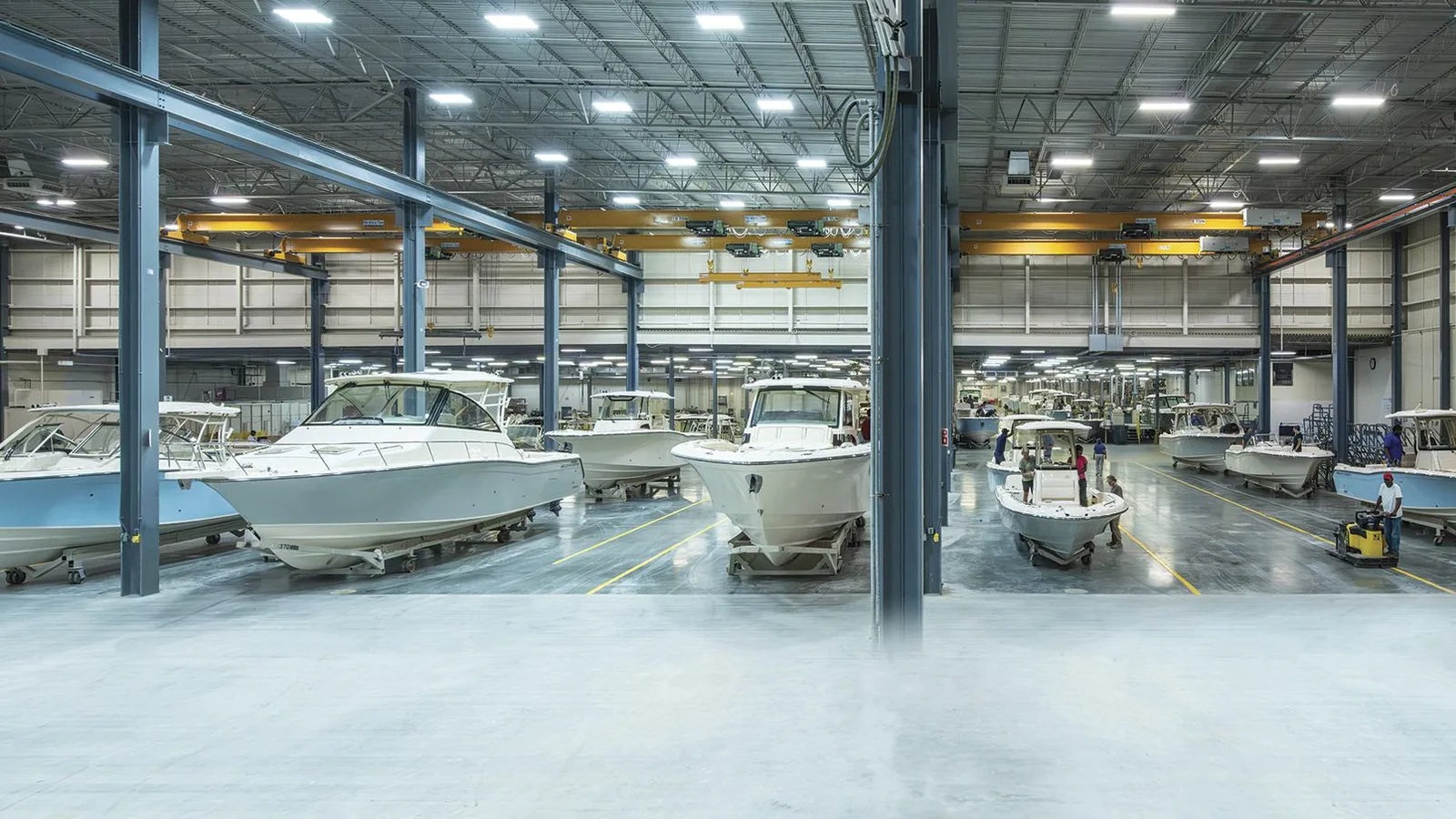
Grady-White Boats owner Eddie Smith, 84, gave control of the Greenville, North Carolina builder to a perpetual purpose trust after turning down what the company says were offers of more than $400 million. The company announced the change on July 27. Smith bought Grady-White in 1968, when he was 26 and, by the company’s account, it was close to bankruptcy.
North Carolina’s governor inducted Smith into the Order of the Long Leaf Pine at the plant on November 10, and in interviews since July Smith and CEO Kris Carroll have filled in what the July announcement left out.
The announcement said a trust would oversee the company and did not say who would run the trust. It is a committee of three people, and they pick their own successors.
Three Committee Members Now Control Grady-White and Pick Their Successors
The Grady-White Boats Perpetual Purpose Trust is run by a Purpose Trust Committee of three: Carroll, retired Grady-White veteran Joey Weller, and Sam Soliman, who worked directly with Smith for years. Soundings Trade Only named them on October 1 and reported that members choose their own successors.
The committee has to run the company by the trust’s bylaws. Smith told the magazine an inside team worked on those documents for a year with outside lawyers and accountants. One clause he described keeps Grady-White free of debt unless there is an extreme emergency, and he said the company has carried none for 45 or 50 years. “Grady-White is never, ever going to get sold,” he said.
Grady-White’s own announcement says the trust will oversee management and maintain continuity in Greenville, and that the executive team stays in place. Carroll remains CEO and president, and Trade Only describes her as chairwoman of the board as well. She runs the company and also sits on the committee that oversees how it is run. Smith moves to a non-operational CEO emeritus role as an advisor. Fortune reported in July that he sits on neither the trust’s board nor the nonprofit’s.
More than 350 employees were in the room when Smith announced the trust. The company says he gave all of them bonuses based on years of service and craftsman level, and that the total ran into the millions. It calls the trust the largest in the United States since Patagonia’s and the first in the marine industry.
Smith Says Every Friend Who Sold a Boat Company Regrets It
Smith told Trade Only that he watched friends across the marine industry sell their companies to buyers who promised to change nothing, that none of them is happy with what followed, and that he considered selling Grady-White too. The company dates the offers above $400 million to two years ago.
He gave a second reason on PBS News Hour on August 17. He had hoped his son would lead the company for another generation, and his son died of ALS. Smith said he then read about Patagonia founder Yvon Chouinard, who put that company into a purpose trust in 2022.
Grady-White did go through a sale process first, Carroll told Trade Only. In Soundings’ November issue she said the would-be buyers may have had the numbers right, and that their pitches still left her team uneasy about how customers, dealers and staff would be treated after closing. Many dealers have sold Grady-Whites since the 1970s, she said, and a couple since the 1960s.
More Than 90 Percent of Profits Are Pledged to a Nonprofit Not Yet Named
Smith told PBS that all voting shares went into the trust and the majority of the common shares into a new 501(c)(4) nonprofit, which will receive more than 90 percent of profits. Grady-White’s announcement page still called that nonprofit not yet named on November 21.
The company expects the giving to run to tens of millions of dollars a year, for education, healthcare, conservation and the community. Smith told PBS it will follow the work of his family foundation, which concentrates on 29 rural counties in eastern North Carolina.
Smith says he gains nothing financially from the arrangement. He said so on PBS, and he told Trade Only he will owe millions of dollars in gift tax on the stock he gave to the trust. Grady-White is a private company, so these figures are his and the company’s own.
Hullside’s Take
I think Smith is right about what a sale does to a boat builder, and this is the better outcome for anyone who owns a Grady-White or sells them. This month Four Winns, Glastron and Scarab have a second letter of intent and no closed sale, with their Michigan plant idle. Shareholders of the retailer MarineMax approved a merger agreement with affiliates of Safe Harbor Marinas. An owner whose builder is, by Smith’s account, never going to be sold has one less thing to worry about.
But the promise now rests on three people and a set of bylaws that have not been published. I found no public copy as of November 21. The committee picks its own successors, and the CEO sits on it. That works while the people who worked with Smith are in the room, and I’d like to know what holds it together after them. The first outside check will be the nonprofit’s tax return. A 501(c)(4) has to make its annual Form 990 public, and the first one will show how much arrives. Whether that is more than 90 percent of the profit is something only the company can say.
Sources: Grady-White Boats, Soundings Trade Only, PBS News Hour, Soundings, Fortune
Hullside uses automated tools to support research and source retrieval. All reporting and editorial perspectives are by Haye Kesteloo. Read our editorial standards or report a correction.
Hullside reports under its editorial standards. See a mistake? Corrections.