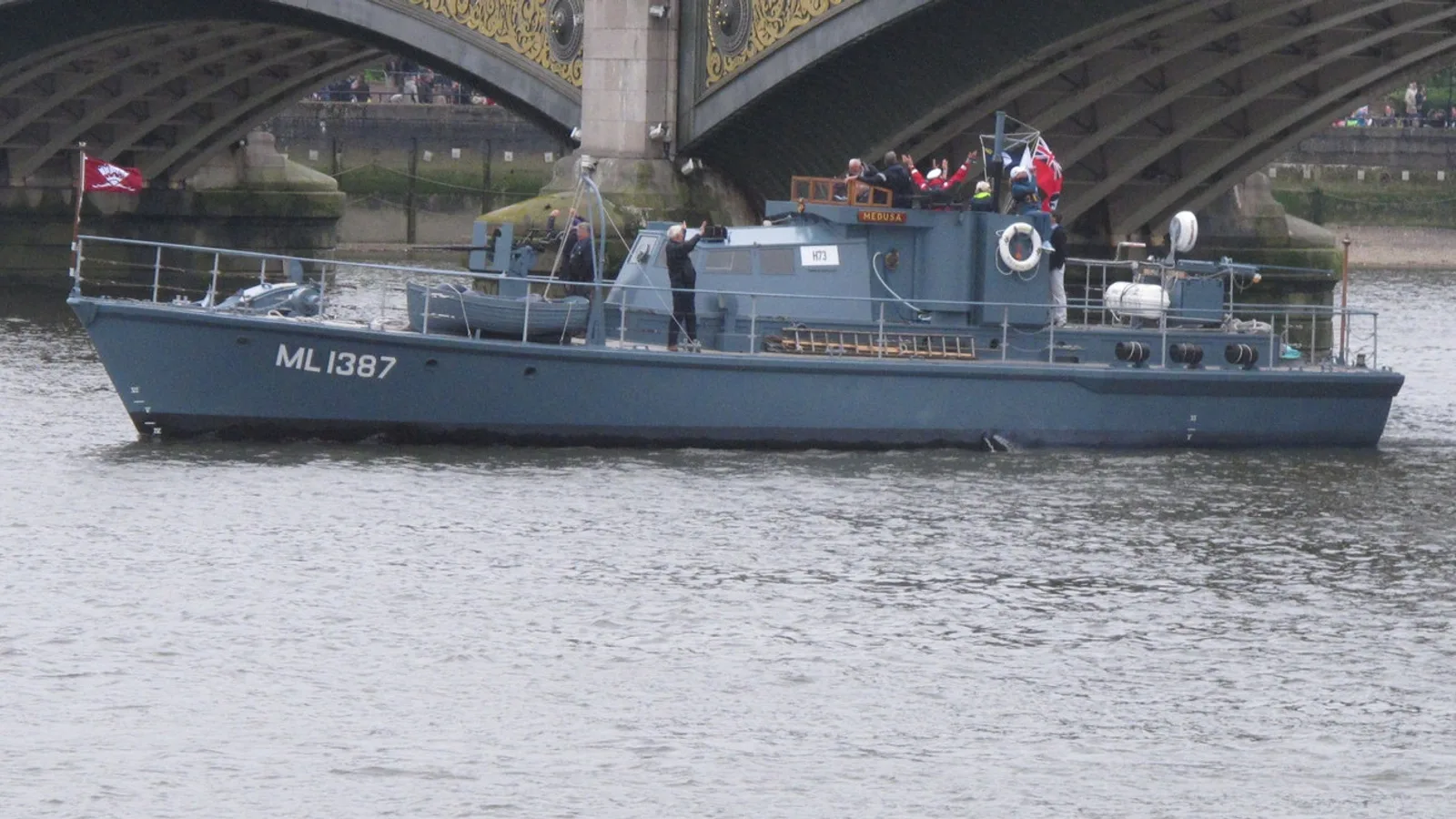
Oxford Study Puts Microphones on Seabirds, Hears Boats AIS Missed
Of the time tagged gannets spent near vessels off Wales, at least 32% was with boats that had no AIS or VMS record, and the authors estimate 57%.
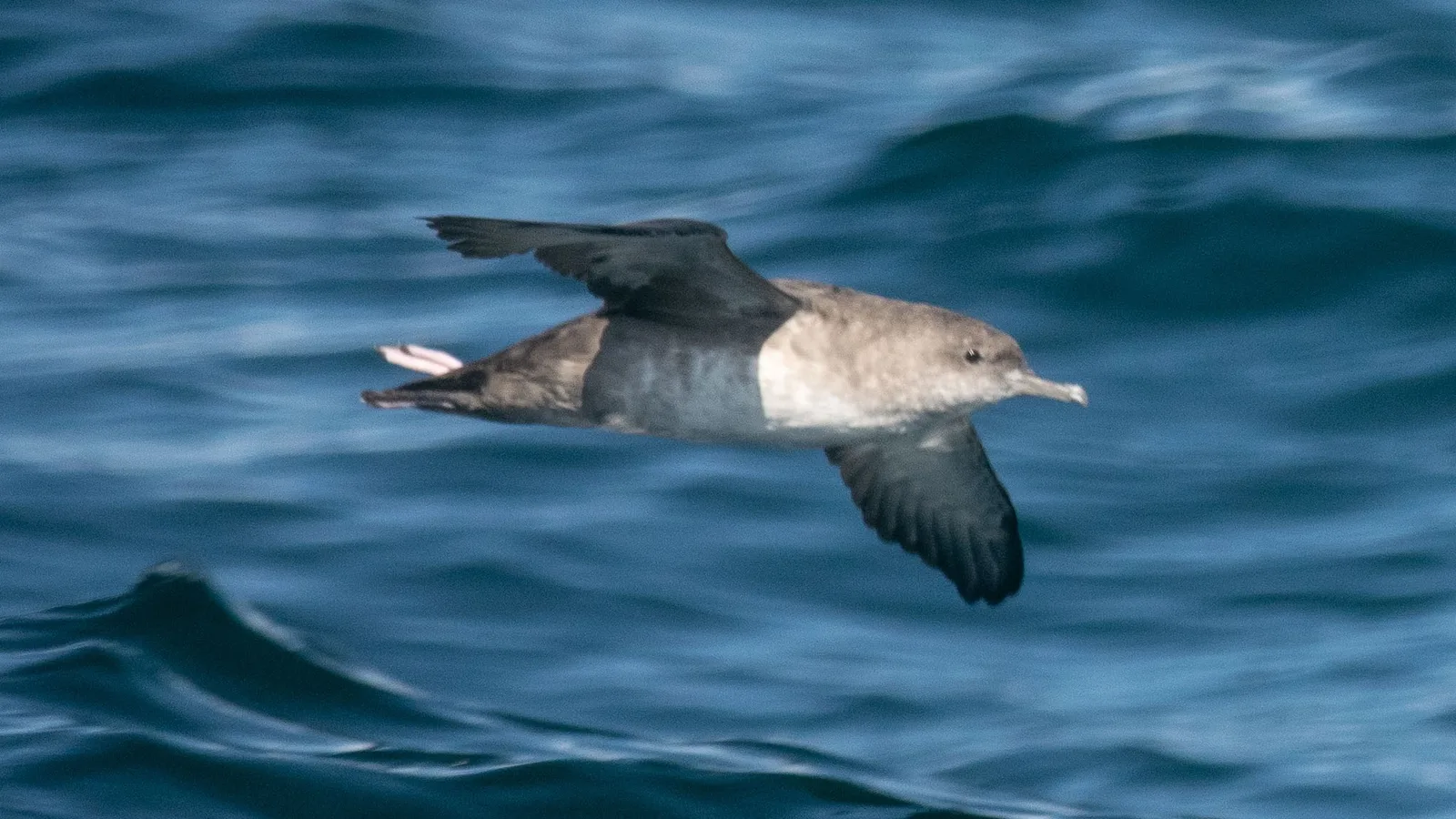
Seabirds fitted with small audio recorders and GPS trackers heard fishing boats that public tracking systems did not show, according to a University of Oxford-led study published November 25 in Science Advances. Seven northern gannets from Grassholm, an island off Wales, spent an average of 68 minutes a day within earshot of a vessel, mostly in the eastern Celtic Sea. At least 22 of those minutes, or 32%, were spent near boats that no Automatic Identification System (AIS) or Vessel Monitoring System (VMS) signal could account for.
Four Balearic shearwaters tagged in Spain’s Balearic Islands told a different story. Most of the tracked boats the gannets were heard near were trawlers flagged in Ireland, Belgium, France and Britain. UK and EU rules require AIS on every fishing vessel over 15 meters (49 feet) and VMS on every UK- and EU-flagged fishing vessel of 12 meters (39 feet) or more, and earlier bird-borne camera work at the same gannet colony found that every fishery interaction it recorded involved a vessel over 15 meters.
Gannets Heard Trawlers During Hours-Long Tracking Gaps
The 32% figure is a floor. Matching each recording to the nearest vessel position, instead of every position a boat could have reached, the researchers estimated that about 57% of the gannets’ time near vessels was with untracked boats, and they call that likely an underestimate.
For two fleets, most of the matched time fell inside gaps. More than 60% of the audio detection time matched to Belgian trawlers, and more than 90% of the time matched to Irish vessels listed only as “fishing,” came during breaks of 2.5 hours or more between a boat’s AIS or VMS positions, according to the paper. A boat with no AIS or VMS position for six hours or longer was counted as unseen.
Given the camera work, the authors rule out small size as a sufficient explanation and point to two others: poor satellite reception in the Celtic Sea, or crews switching tracking off to hide where they fish.
Shearwater Data Points to Small Boats That Never Had to Transmit
The shearwaters met most of their boats along Spain’s Catalan coast, where at least 12% of their vessel audio detections had no matching AIS signal (an estimated 20%), and the authors think some of those were small-scale fishing boats not required to carry AIS at all.
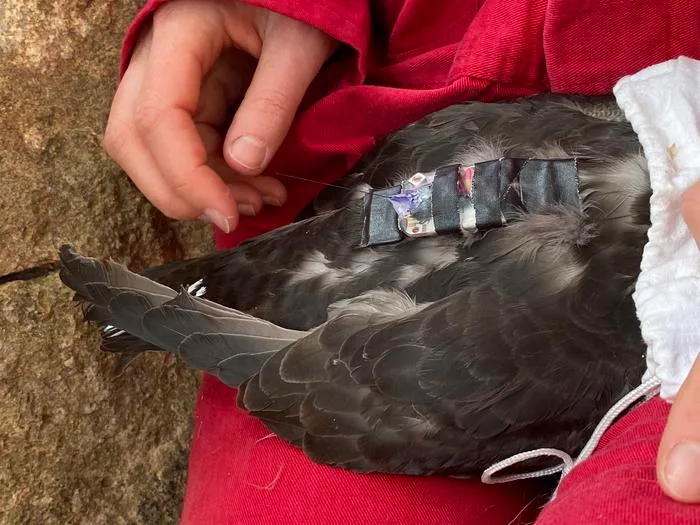
Those fisheries include an artisanal longline fleet whose bycatch, the paper says, puts the species at risk of extinction within decades. Most of the tracked boats near the shearwaters were Spanish trawlers and Spanish tugboats, and several Spanish fishing vessels showed AIS gaps covering 22% to 75% of the audio detection time. Lead author Jonathan Rutter, a biologist at Oxford, said in the university’s release that the surprise was “just how many of these interactions were missing from conventional tracking records.”
The Recorders Hear Only Nearby Boats With Engines Running
The method listens above the water for engine and exhaust noise, which shows up as steady low-frequency lines under 1,000 Hz. In tests beside longline vessels off New Zealand, one boat was audible up to about 2 km (1.1 nautical miles), while others faded within about 350 meters (1,150 feet).
The researchers set 5 km (2.7 nautical miles) as the outer limit for matching a sound to a tracked boat. The recorders cannot tell a trawler from a tug, and they miss gear left in the water with no engine nearby, such as static nets. Each bird’s devices weighed no more than 3% of its body mass. A third species, one Westland petrel in New Zealand, spent 30.4 minutes a day near an audible vessel, but it damaged its GPS, so those boats could not be checked against tracking data.
Birds have done this job before. A 2020 study in PNAS put radar detectors on albatrosses in the Southern Ocean and found that more than a third of the vessels they met in international waters had no AIS operating. Radar detectors miss small boats without radar, which the Oxford team suggests is one reason its shearwater figure ran higher than radar-based estimates for a related species in the same waters. The authors also warn against turning animals into a fisheries surveillance tool, in case fishers come to mistrust scientists or the birds.
Hullside’s Take
Anyone who runs offshore with an AIS overlay on the chartplotter should read this study as a reminder about that screen. AIS shows the boats that are transmitting, and now that Class B transponders come built into some recreational VHF radios, it is easy to treat the overlay as the full traffic picture. Seven gannets found trawlers that are required to transmit dropping off tracking for hours in the Celtic Sea, whether from poor reception or a switch. Off Spain, the authors think some of the missing boats were small ones that never had to transmit. My read is that the overlay is a list of who is transmitting and being received, and a lookout and radar still cover the rest. The authors are right to resist turning the birds into fishery police, too. The data is most useful as a way to show where seabirds and fishing gear meet, and it works only as long as fishers do not see the birds as informants.
Sources: Science Advances, University of Oxford, PNAS
Hullside uses automated tools to support research and source retrieval. All reporting and editorial perspectives are by Haye Kesteloo. Read our editorial standards or report a correction.
Hullside reports under its editorial standards. See a mistake? Corrections.