Washington Catches Golden Mussels on a Boat Trailered From California
WDFW inspectors pulled five mussels off a 32-foot boat in Skagit County, and a proposed permanent golden mussel ban is open for comment until Dec. 23.
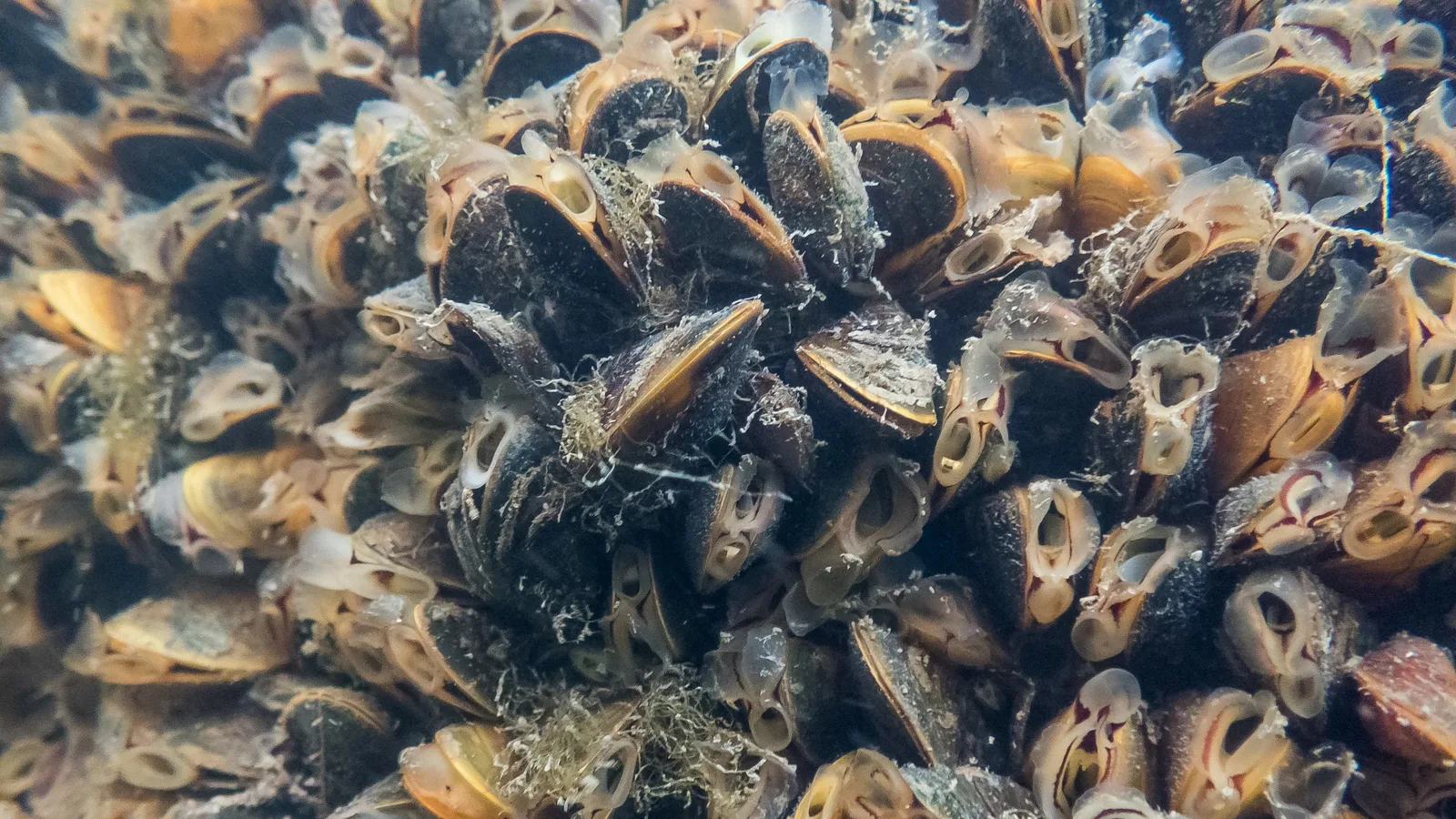
Washington Department of Fish and Wildlife inspectors removed invasive golden mussels from a trailered 32-foot boat in Skagit County on Nov. 10. The boat came from California’s San Francisco Bay Area, a region with invasive freshwater mussels.
It is the first time golden mussels have been intercepted on a watercraft in Washington, WDFW said on Nov. 25. The agency first saw the boat on Oct. 30, northbound on Interstate 5.
WDFW inspected the boat with help from a Washington boat builder
WDFW arranged the Nov. 10 inspection with the boat’s Washington-based manufacturer and a boat service provider. Inspectors found five suspected golden mussels on the hull and engines. The agency’s Molecular Genetics Laboratory confirmed on Nov. 19 that they were golden mussels.
The release does not name the builder or the owner, and it does not say whether the mussels were alive. Kelly Cunningham, director of the WDFW Fish Program, said in the release that the state “cannot rely on inspection stations or any single agency” to keep the species out.
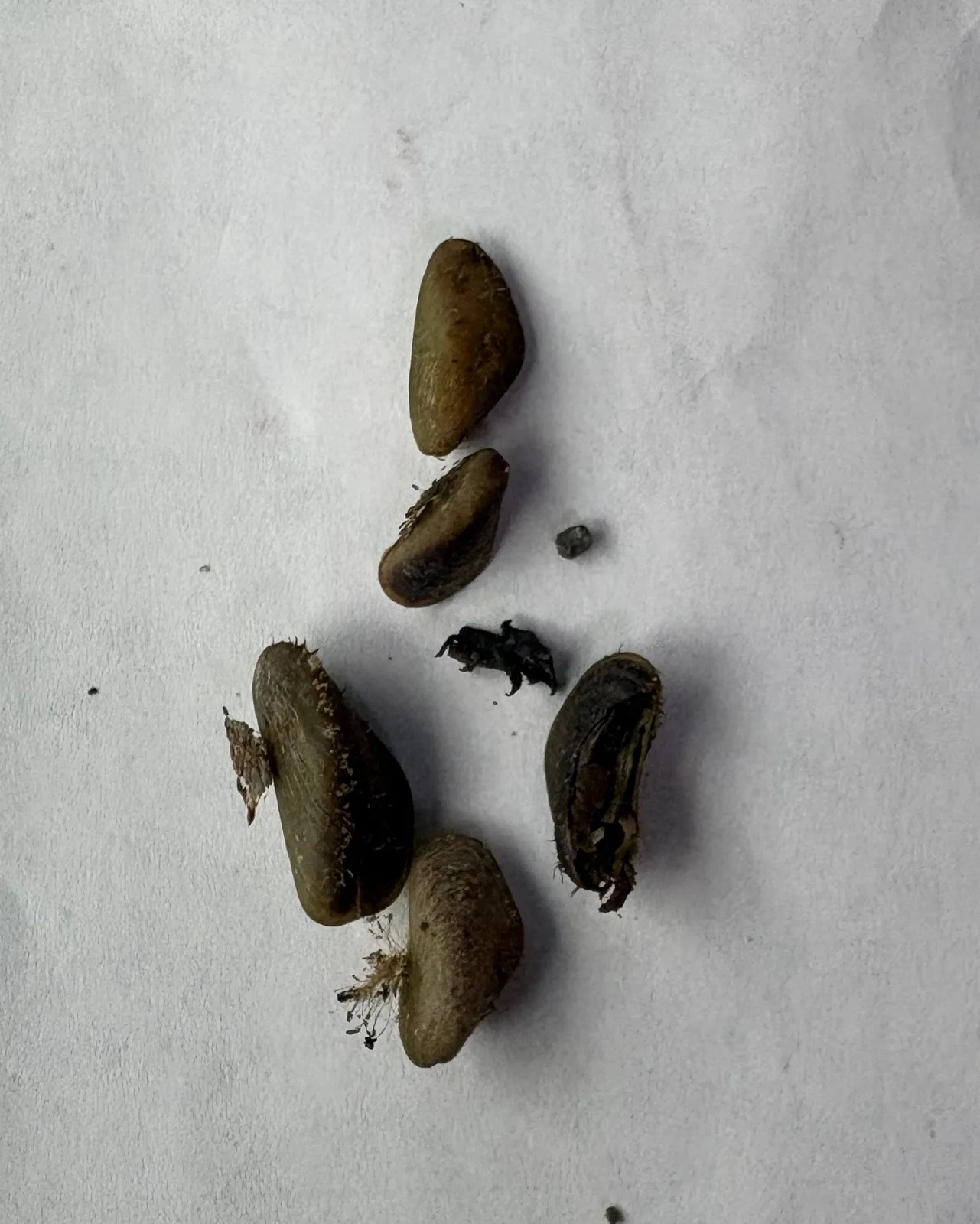
Golden mussels reached an Oregon inspection station in April
After golden mussels, first detected in the United States in California in 2024, turned up on a boat at a mandatory watercraft inspection station in Ashland, Oregon, in April, Washington used emergency rulemaking to classify them as a Prohibited Level 1 invasive species.
WDFW puts golden mussels in the same threat class as quagga and zebra mussels. They anchor to hard surfaces with byssal threads and can clog the intake pipes that feed hydropower plants, irrigation, drinking water and sewage systems. The agency puts the cost of managing them in the millions of dollars.
Washington’s proposed permanent golden mussel ban is open for comment until Dec. 23
WDFW filed a proposed rule in November to make the emergency listing permanent. It would bar anyone from possessing, transporting, introducing, buying or selling live golden mussels unless WDFW authorizes it. Comments close Dec. 23, the day of a virtual public hearing at 9 a.m.
Boaters can comment on the agency’s comment page, by email to [email protected], or by phone at 855-925-2801 with project code 8818. The rulemaking page carries the supporting documents.
The rules boaters already live under do not change. State law requires owners to clean and drain a boat after every use, and anyone trailering a boat must stop at every open mandatory WDFW inspection station, where inspection and any decontamination are free. WDFW inspected more than 60,000 watercraft and other aquatic conveyances in 2026, a record.
Utah inspected 320,179 boats in 2026 to stop quagga mussels spreading
Inspectors from the Utah Division of Wildlife Resources, the Utah Department of Natural Resources and partner agencies checked 320,179 boats and performed 7,237 decontaminations between Jan. 1 and mid-November. In 2025 the state inspected 288,000 boats and decontaminated 6,544, so both counts rose this year.
Lake Powell is the only Utah waterbody infested with quagga mussels, and stations in the Lake Powell area handled 43,174 of the inspections and 2,273 of the decontaminations, according to the DWR release on Nov. 16. In October the state confirmed a live adult zebra mussel in the Colorado River within Utah.
DNR officers logged 263 violations this year. Most involved a missed education course or vessel-enrollment fee, drain plugs left in during transport, or a boat driven past a mandatory station. Utah’s required dry time is seven days in summer, 18 in fall and 30 in winter. Wakeboard boats count as complex boats and always need 30 days unless professionally decontaminated.
Hullside’s Take
If you are trailering a boat north out of the San Francisco Bay Area, have it decontaminated before you leave. Washington tracked this boat from a highway sighting to an inspection in Skagit County, and my read is that any boat out of a mussel region should now expect the same attention. Utah shows what the alternative looks like once one lake is infested: 43,174 inspections at Lake Powell stations this year, and a 30-day dry time for every wake boat that skips a professional decontamination. The proposed permanent ban is a reasonable price for keeping that away from Washington’s lakes, and boaters who want a say in its wording have until Dec. 23.
Sources: Washington Department of Fish and Wildlife, WDFW proposed rule WSR 26-23-047, Utah Division of Wildlife Resources, KING 5, KPCW
Hullside uses automated tools to support research and source retrieval. All reporting and editorial perspectives are by Haye Kesteloo. Read our editorial standards or report a correction.
Hullside reports under its editorial standards. See a mistake? Corrections.